- Intel’s latest SOC (system-on-chip), Panther Lake, which is built on its latest process technology 18A, is in mass production.
- Intel is engaging with external customers on 18-AP, having delivered 1.0 PDK (process design kit) late in 2025.
- Looking out further on the roadmap, the performance and yield of 14A, according to Intel, are significantly ahead of 18A at a similar point of development.
- Intel is only building capacity for committed customers, abandoning its previous “build it, and they will come” strategy.
- Intel’s balance sheet is much improved from 18 months ago. NVIDIA’s investment has added credibility to Intel Foundry Services (IFS). Other fabless semiconductor OEMs may want to diversify their portfolio away from TSMC.
- US-based fabless semiconductor OEMs and others in the AI ecosystem designing chips have incentives to invest in the US, a tailwind for Intel.
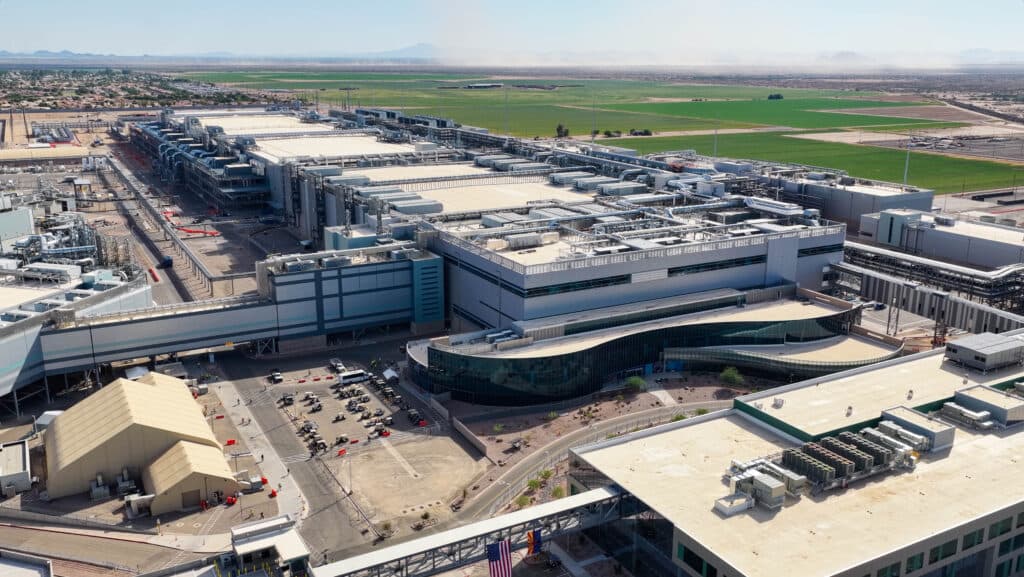
Counterpoint Research recently visited Intel’s state-of-the-art Fab52 in Chandler, Arizona, where Panther Lake is in mass production. During the tour, we learned that Panther Lake is in mass production at Intel’s facilities in Arizona and Oregon. The following are our key takeaways from the visit:
Intel’s new customer strategy backed by a stronger financial position
Intel Corporation has pivoted Intel Foundry Services (IFS) away from former CEO Pat Gelsinger’s aggressive “build it, and they will come” approach, which assumed there would be sufficient external customers. Current CEO Lip-Bu Tan is more conservative, stating “no more blank checks” to emphasize that Intel is only building capacity for customer commitments. This is why some sites have paused fab buildouts. Counterpoint estimates that 70%-75% of volumes are built in Intel fabs and 25%-30% at TSMC and others. Intel expects internal capacity and yields to rise.
Despite the new contractual service, the company’s balance sheet is significantly improved compared to a year ago. There was Trump administration chatter that the CHIPS and Science Act funds would not be fully disbursed. However, following a restructuring of federal support, it was agreed that the remaining Chips Act commitments to Intel would be converted into a 9.9% equity stake. In addition, the US government would hold no voting rights and vote with the Intel board. Also, the US government can take an additional 5% stake if Intel’s share of the foundry business falls below 51%. Intel is comfortable with the 9.9% investment from the US government, given the limited control, and this has also helped expedite the Chips Act payment, with the remaining $5 billion now received. Intel’s comment on the US government investment: “Good for Intel, good for the US government, and good for US taxpayers.”
Intel mentioned it could seek investment money for the IFS business. The US government does not want Intel to spin off its foundry or reduce its equity, as it wants to help secure a semiconductor supply chain in the US. However, this is an option for Intel and provides some flexibility.
In August 2025, SoftBank announced to invest $2 billion in Intel for AI and other solutions for the SoftBank group. Further, in July 2025, Intel sold $1 billion worth of MobileEye stake, while its sale of 51% stake in Altera to Silver Lake closed for around $3.5 billion in September 2025. In addition to these, Intel received around $7 billion worth of investments from the US government in 2025.
NVIDIA is another major partner for Intel. The fabless OEM invested $5 billion in Intel to co-develop PC and server chips. It is also likely that NVIDIA is interested in and investing in Intel’s advanced packaging. Furthermore, Intel will build x86 CPUs for NVIDIA’s AI infrastructure platforms. On the PC front, Intel will build an x86 system-on-chip using NVIDIA’s RTX graphics processing units.
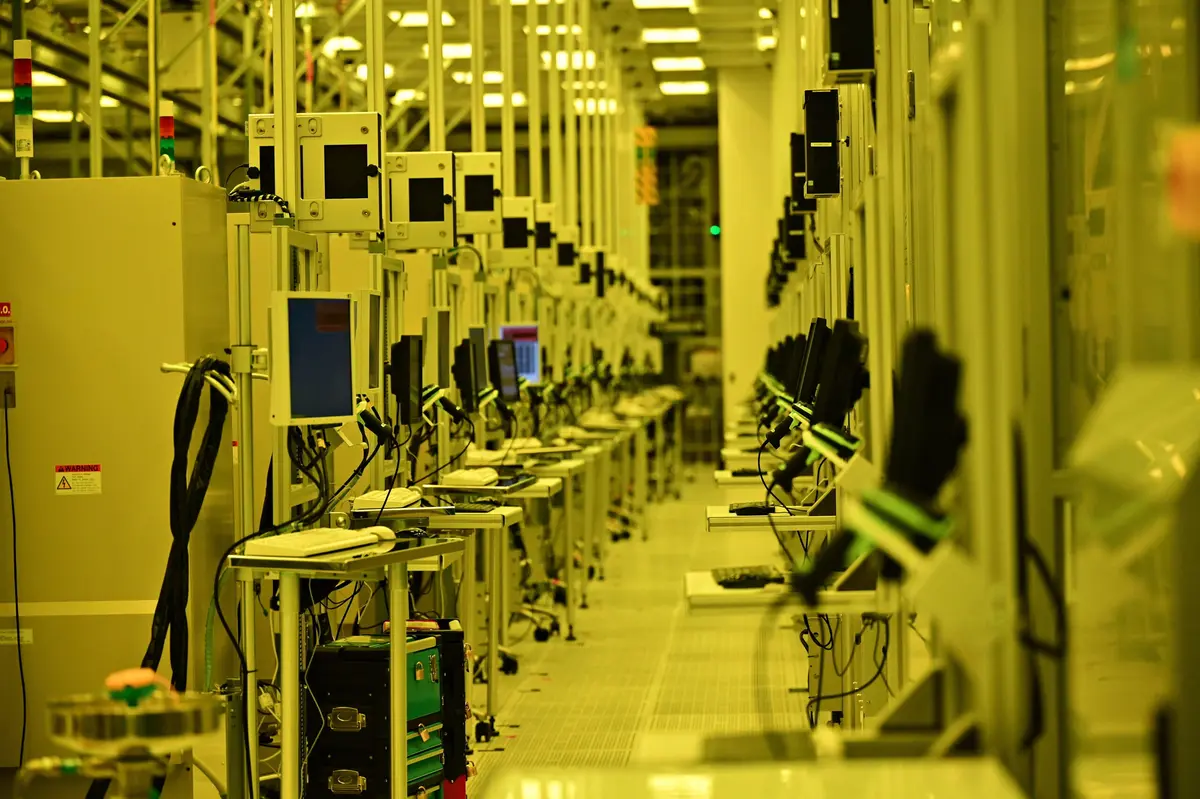
Panther Lake mass production shows customer promise
There is more chatter about the possibility of multiple external 18A and/or 18AP customers. This could help potential fabless semi partners diversify away from TSMC and gain additional negotiating power. In addition, many semi OEMs we met with at CES 2026 are looking to appease the Trump administration and are considering using Intel’s US foundry as a way to do it.
There are still ambitions that 14A will be a larger foundry node with more external customers. Intel believes 14A will be optimized for external customers with a better understanding of process development kits (PDKs). Earlier, better and more feedback from external customers will help the process. In addition, it will be second-generation backside power. Performance and yield of 14A, according to Intel, are significantly ahead of 18A at a similar point of development. Intel has been clear that spending on R&D, tooling, capacity and other heads will be done only when customers are on board. This will become clearer in Intel’s H2 2026 and into 2027.
The estimated timeline for 14A is risk production in 2027 and mass production in 2028-29. Customer engagements are higher with external customers than with 18A/Panther Lake. Intel is engaged with external customers earlier in the definitional phase, which will make it easier for them to use IFS.


