

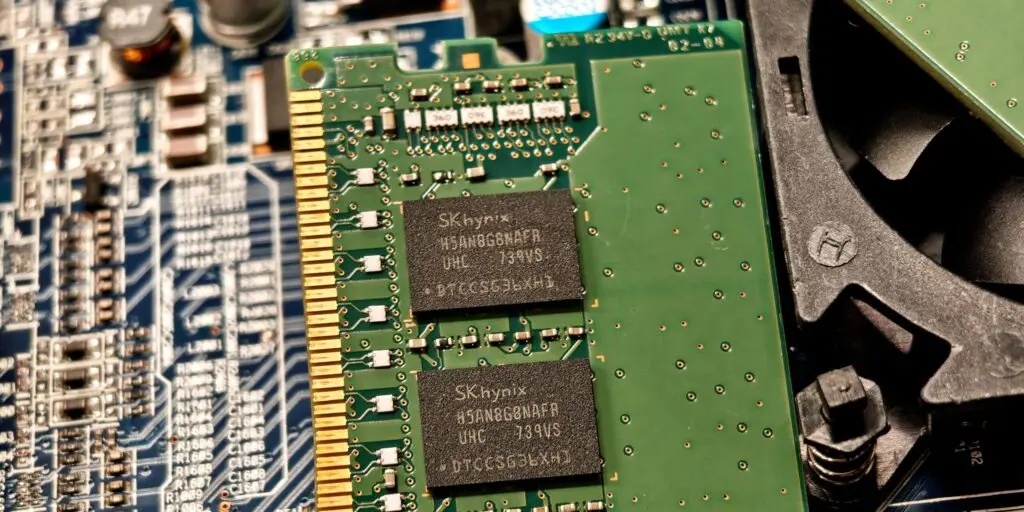
- Samsung belegte im zweiten Quartal 2026 mit einem Marktanteil von 39 % den ersten Platz im DRAM-Markt und erreichte damit wieder das Niveau von 2024.
- Samsung zeigte eine überwältigende Stärke bei der Versorgung und Preisgestaltung von konventionellem DRAM und vergrößerte damit den Abstand zum Marktführer des zweiten Quartals 2025, SK hynix.
- Wir erwarten, dass die aufgestaute Nachfrage durch Agentic AI und das Wachstum bei KI-Server-CPUs die Preise für konventionellen DRAM weiter steigen lässt.
- Die HBM-Preise dürften sich in der zweiten Jahreshälfte 2026 mit der Einführung der nächsten HBM-Generation und neuer GPUs erholen – trotz zunehmenden Wettbewerbs.
Samsung belegte im zweiten Quartal 2026 mit einem Marktanteil von 39 % den ersten Platz auf dem DRAM-Markt und erreichte damit wieder das Niveau von 2024. Dies geht aus dem Global Memory Tracker, Q2 2026 von Counterpoint Research hervor. Für Samsung stellt dies eine bemerkenswerte Trendwende dar, nachdem das Unternehmen im Vorjahreszeitraum die Marktführerschaft an SK hynix verloren hatte. Im Gegensatz dazu fiel der Marktanteil von SK hynix von 39 % im zweiten Quartal 2025 auf 26 % im zweiten Quartal 2026 – und das trotz eines Anstiegs des Quartalsumsatzes um 214 % gegenüber dem Vorjahr. Auch Micron, einer der drei großen Speicherhersteller, erzielte ein starkes Quartalsergebnis und kam mit einem Marktanteil von 25 % beinahe an SK hynix auf dem zweiten Platz heran. Micron entwickelt sich seit Beginn des KI-Booms in der zweiten Jahreshälfte 2023 besonders stark.
Die Nachfrage nach DRAM übersteigt weiterhin das Angebot, da aufeinanderfolgende Wellen der KI-Einführung den Ausbau fortschrittlicher Recheninfrastrukturen vorantreiben. Dadurch steigt sowohl die Nachfrage nach konventionellem DRAM, der in CPUs eingesetzt wird, als auch die Verbreitung von High Bandwidth Memory (HBM) der nächsten Generation für GPUs.
Globaler Marktanteil am DRAM-Umsatz, Q2 2026

Senior Analyst Jeongku Choi kommentierte die Entwicklung von Samsung wie folgt:
„Samsung hat sämtliche Herausforderungen überwunden und gegenüber dem Vorjahreszeitraum eine vorbildliche Trendwende bei seiner Geschäftsentwicklung erzielt. Das Unternehmen profitierte von der robusten Nachfrage und den Preissteigerungen bei konventionellem DRAM und baut gleichzeitig seinen Marktanteil im HBM-Segment aus. Mit den zusätzlich erwarteten Preiserhöhungen im dritten Quartal 2026 dürfte Samsung seine Erträge weiter steigern.“
Im zweiten Quartal 2026 stiegen die Preise für konventionellen DRAM gegenüber dem Vorquartal deutlich an, während die HBM-Preise im Jahresvergleich zurückgingen. Besonders ausgeprägt war der Rückgang des durchschnittlichen HBM-Preises aufgrund sinkender Preise für bestehende HBM3E-Produkte sowie Verzögerungen bei der Einführung von HBM4. Die derzeit vergleichsweise niedrigeren HBM-Preise dürften jedoch im kommenden Jahr deutlich anziehen, nachdem zuvor bereits die Preise für konventionellen DRAM gestiegen sind.
Research Director MS Hwang erklärte:
„Obwohl SK hynix sowohl sequenziell als auch im Jahresvergleich Rekordergebnisse erzielte, wuchs das Unternehmen langsamer als seine Wettbewerber, da sein Marktanteil durch Samsung und Micron, die von beiden Seiten Druck ausübten, zurückging.“
Hwang ergänzte:
„Dies muss aus zwei Perspektiven betrachtet werden. Erstens erzielt SK hynix im Vergleich zur Konkurrenz den höchsten Anteil seiner Auslieferungen und Umsätze mit HBM und wurde daher besonders stark vom Rückgang der durchschnittlichen HBM-Preise getroffen. Zweitens schloss SK hynix langfristige Lieferverträge (Long-Term Agreements, LTAs) früher als seine Wettbewerber ab. Solche LTAs legen Preisober- und Preisuntergrenzen auf Basis eines festen Vertragspreises fest. Werden Festpreise früh in einer Phase steigender Speicherpreise ausgehandelt, liegen sie zwangsläufig unter dem aktuellen Preisniveau.“
Gleichzeitig haben die Auslieferungen von HBM4 im dritten Quartal 2026 bereits zugenommen, da die neuesten GPU-basierten Rack-Systeme mit NVIDIA Vera Rubin sowie AMD Instinct MI455X ausgeliefert werden. Dadurch dürfte der Rückgang der HBM-Preise nachlassen, da sich der Produktmix zunehmend in Richtung neuer Generationen verschiebt.
Während der DRAM-Markt boomt, verschärft sich zugleich der Wettbewerb weiter. Vice President of Research Neil Shah erklärte hierzu:
„Nach unseren Schätzungen hat sich Microns DRAM-Umsatz seit dem zweiten Quartal 2025 verfünffacht. Das Unternehmen befindet sich damit in einer Position, SK hynix zu überholen und wahrscheinlich schon bald den zweiten Platz einzunehmen. Micron tritt üblicherweise eher zurückhaltend und bescheiden auf, doch wir glauben, dass der Wettbewerb äußerst intensiv ist. Letztlich wird entscheidend sein, wer über ausreichend Produktionskapazitäten verfügt, um keine Umsatzchancen an Wettbewerber zu verlieren, und wie sich die langfristigen Lieferverträge entwickeln.“
Zu den weiteren bemerkenswerten Unternehmen im zweiten Quartal 2026 gehörten CXMT (plus 716 % gegenüber dem Vorjahr) und Nanya (plus 690 % gegenüber dem Vorjahr). CXMT war weltweit der am schnellsten wachsende DRAM-Anbieter, angetrieben durch eine starke Inlandsnachfrage nach konventionellem DRAM sowie den Ausbau seiner Produktionskapazitäten. Nanya profitierte dagegen von einer erhöhten Produktion sowie einer starken Nachfrage nach DDR- und LPDDR4/5-Speicher.
Shah fügte hinzu:
„Ein besonders wichtiger Aspekt für die zweite Jahreshälfte 2026 wird sein, wie CXMT den jüngsten Börsengang nutzt, um seine Kapazitäten für HBM und LPDDR6 auszubauen. Sollte CXMT seine Produktionskapazität und technologische Leistungsfähigkeit erweitern können, um sowohl die inländische als auch die internationale Nachfrage zu bedienen – zunächst im PC-Bereich und später möglicherweise auch bei internationalen Tier-1-Kunden –, dürfte der Marktanteil des Unternehmens stark wachsen und in einem Jahr ganz anders aussehen als heute. Die entscheidende Frage lautet nicht mehr ‚wie‘, sondern ‚wann‘ CXMT den Eintritt in den Kreis der drei großen Speicherhersteller schaffen wird.“
Für einen tieferen Einblick in diese Entwicklungen bietet die Speicherforschung von Counterpoint Research eine kontinuierliche Analyse der Märkte für DRAM, NAND Flash und HBM. Dazu gehören Untersuchungen der Angebots- und Nachfragedynamik, Preisentwicklungen, Bit- und Umsatzverfolgung sowie Analysen der Auswirkungen der KI-Einführung auf zentrale Anwendungsbereiche – von Rechenzentren bis hin zu Endgeräten. Entdecken Sie unsere Memory-Research-Angebote für aktuelle Daten, Prognosen und Analysteneinschätzungen zu einer der wichtigsten Komponenten der Halbleiter-Wertschöpfungskette im Zeitalter der künstlichen Intelligenz.

